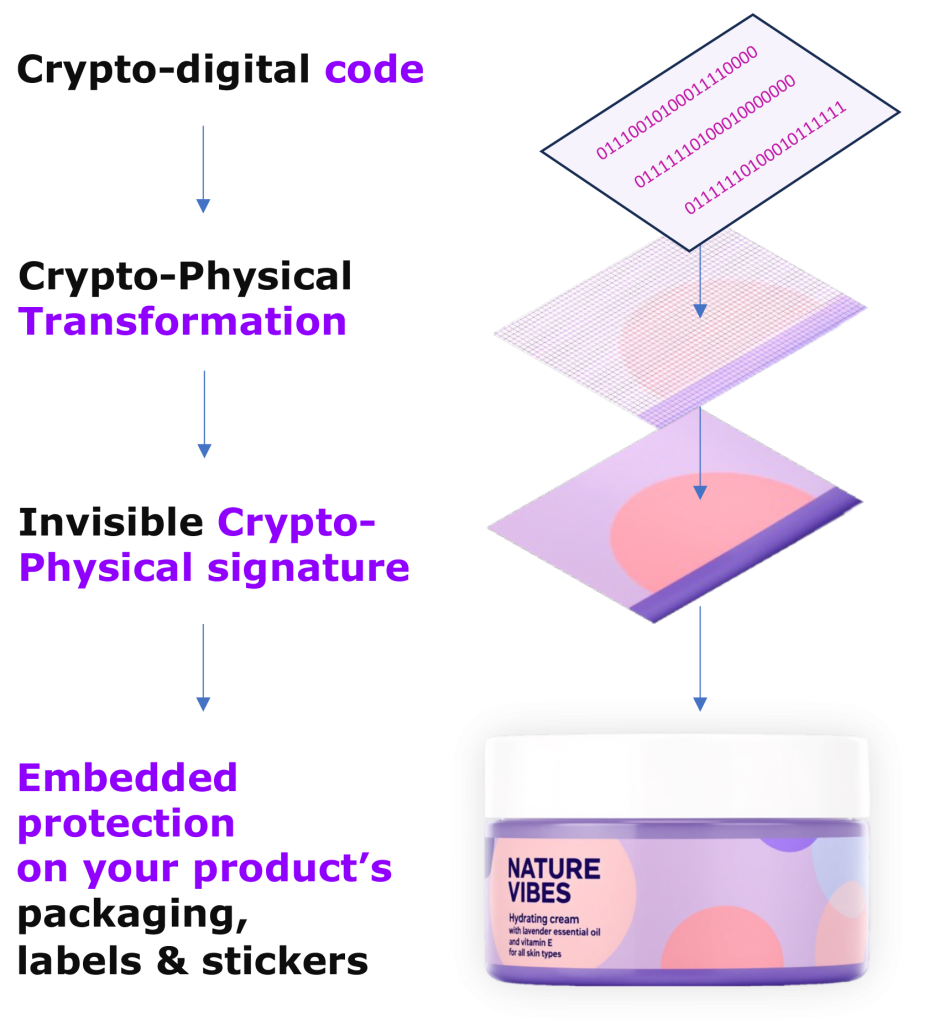
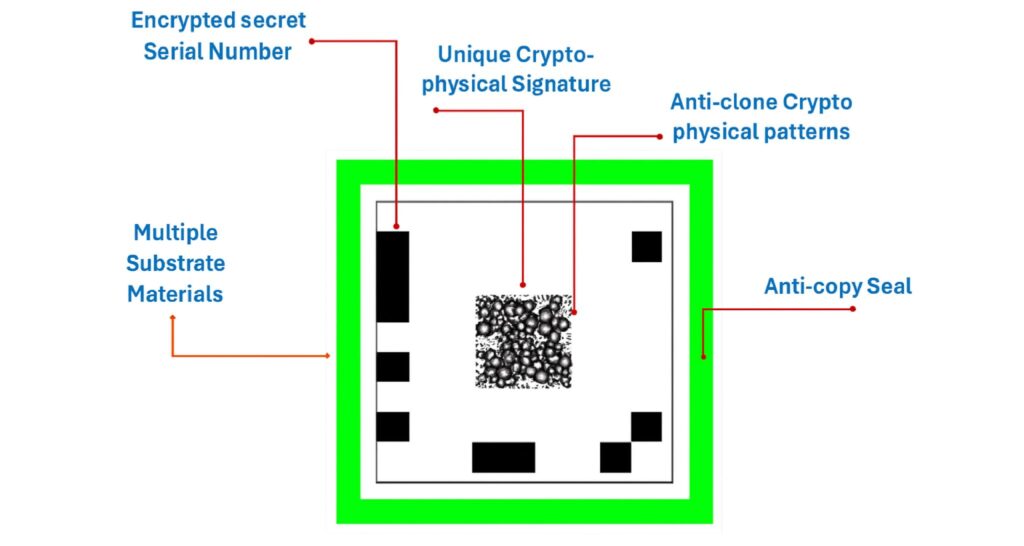
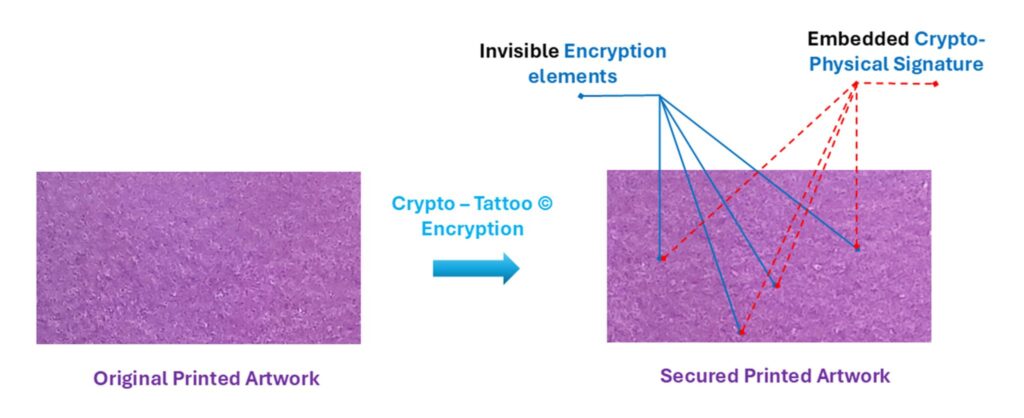
Two layers of protection. A physical label — raised relief, embedded optical fibers, a light-reactive layer — that is extremely difficult to reproduce convincingly. And one unique serialized QR per unit, so copies expose themselves through duplicate and out-of-territory scan patterns.
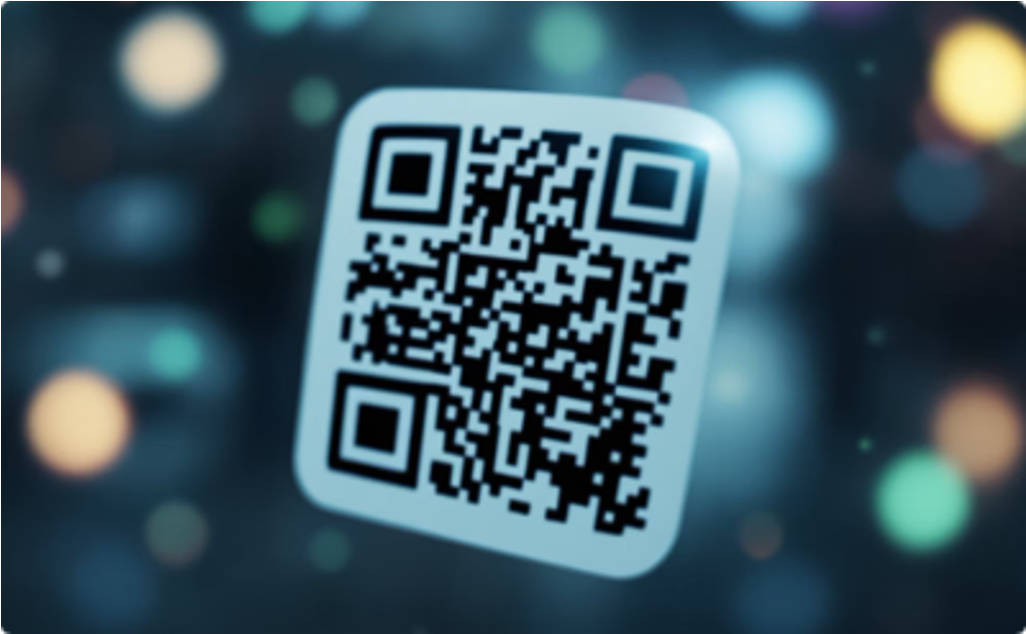
Each Tattoo Label carries the physical security features and a unique serialized QR code — readable by any smartphone camera, no dedicated app.
Unique serialized QR — never repeated
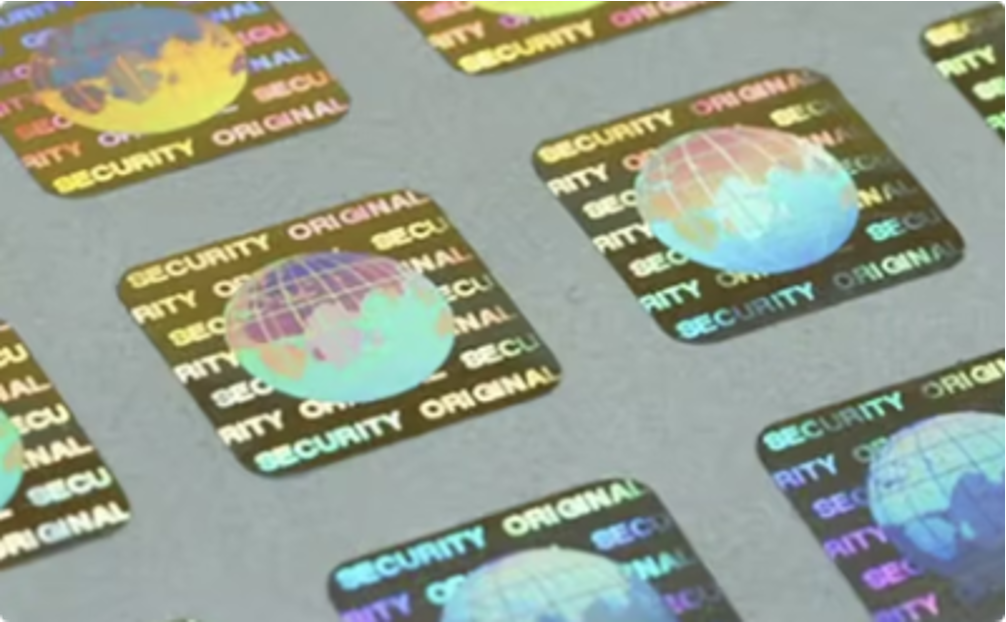
Raised relief (~2mm)
Embedded optical fibers
Light-reactive layer (passport-style)
Counterfeiters have caught up. Yesterday's anti-counterfeit solutions can't stop today's sophisticated attacks.
A printed code on ordinary stock, with no physical security layer and no scan analytics. Photocopy it and the copy scans identically — nobody notices.
High deployment costs, specialized tools needed for verification, complex at scale.
Old-fashioned, easily forged, entirely disconnected from digital verification.
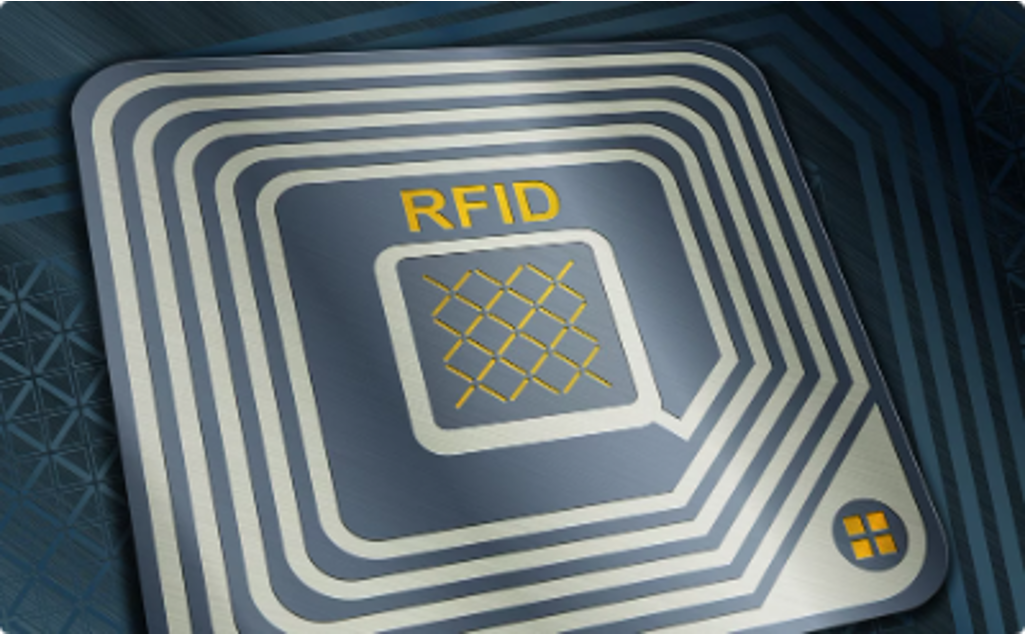
Expensive per item, challenging to integrate, dependent on dedicated readers.
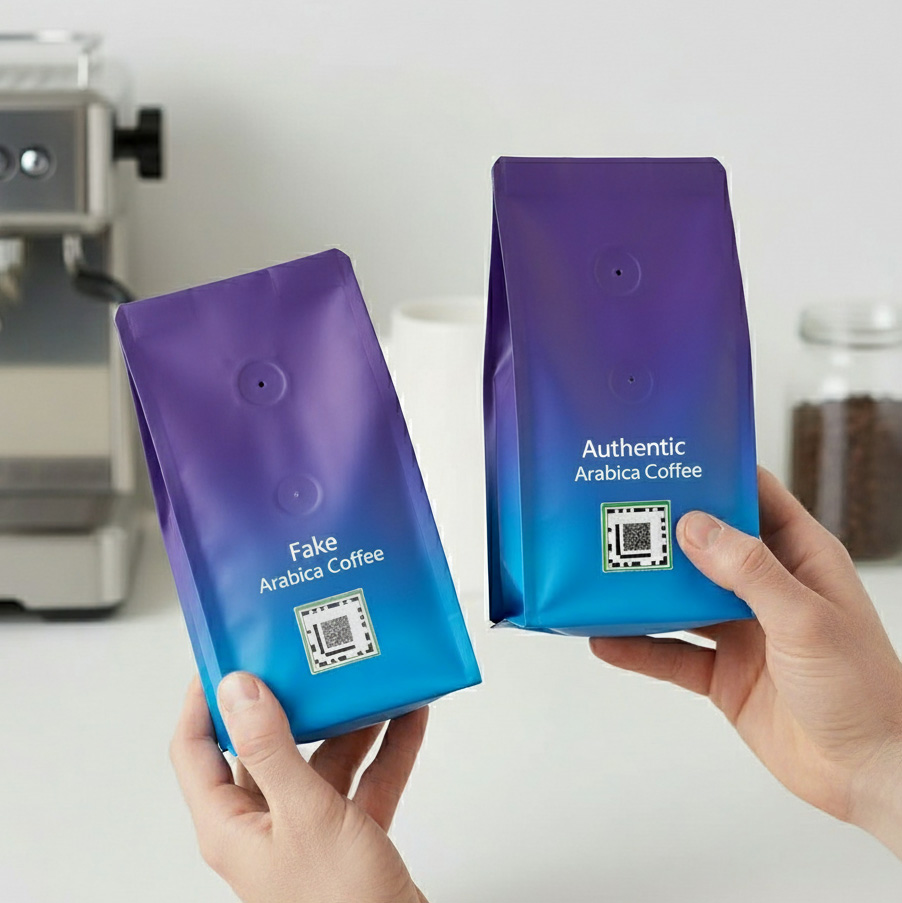
A physical label that is extremely difficult to reproduce convincingly, and a serialized QR that exposes copies through duplicate-scan patterns.
A raised relief of around 2mm, embedded optical fibers, and a passport-style light-reactive layer. A photocopy loses all three — a copy looks and feels wrong.
Every label carries its own serialized QR code, never repeated. When one serial is copied, its scans collide — and the copy gives itself away.
Every scan is logged — timestamp, IP, coarse location, device. Duplicate serials, geographic clustering, and out-of-territory scans are visible in the data.
Any standard smartphone camera reads the QR. The scan is logged and the visitor lands on your own product page — no app, no friction.